Established in 1819 and incorporated in 1935, Gillanders Arbuthnot & Co. Ltd. (GACL) is one of the oldest and most diversified mercantile houses in India. Originally founded as a partnership by F.M. Gillanders and G.C. Arbuthnot, it became part of the G.D. Kothari Group in the late 1960s. Today, the company is a multi-divisional conglomerate headquartered at the historic “Gillander House” in Kolkata, with a business profile spanning tea, textiles, engineering (MICCO), and property leasing. As of the financial year ending March 31, 2025, the company reported a total operating income of approximately ₹412.27 crore, reflecting a 25% year-on-year growth driven largely by its engineering segment.
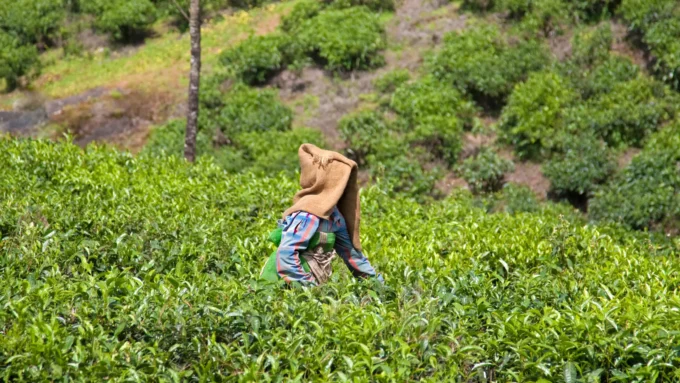
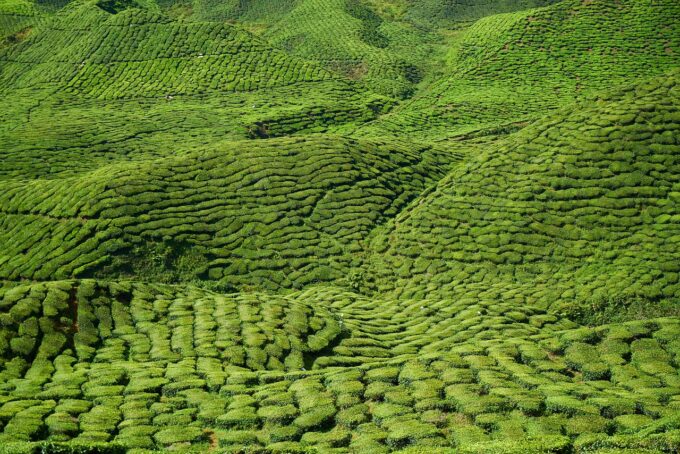
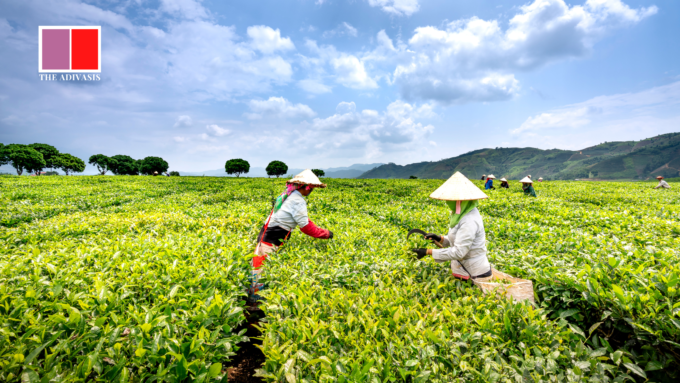
The Tea Division remains a core pillar of the company’s identity, with operations stretching from the Brahmaputra banks in Assam to the Himalayan foothills in West Bengal. Gillanders manages 8 tea gardens (encompassing roughly 3,100 hectares of tea) and 6 modern factories. The division produces approximately 10 million kilograms of tea annually, specializing in premium CTC, Orthodox, and Green tea varieties. Its estates are strategically clustered in three major regions:
Assam (Tinsukia, Golaghat, & Sonitpur): Flagship gardens like Betjan and Dooria are highly reputed for their superior “malty” quality, with Betjan frequently winning Tea Board of India awards.
Dooars (Jalpaiguri): The Gairkhata estate is a major producer of high-quality CTC tea.
Darjeeling (Terai): The Taipoo estate, located near Bagdogra, is known for its century-old heritage and flavorful blends sold under the “Gillanders Mayur” brand.
In early 2026, Gillanders continues to modernize its plantations through a phased replanting strategy, replacing older sections with high-yielding, superior clones to combat the “vagaries of nature” and climate volatility. The company maintains stringent quality standards, with its gardens holding ISO 22000:2018 and Trustea certifications. While the engineering division has seen recent capacity expansions—such as the new structural fabrication workshop in Hooghly commissioned in late 2025—the Tea Division remains the group’s historical heart, balancing tradition with modern sustainable agricultural practices.
India sends a lot of tea to countries like UAE, Iran, and Iraq. But now, big problems in the Strait of Hormuz are putting these exports at risk. This narrow...
Be the First to Read our Stories!